
Follw On
Best Orthopedics and Robotic Knee Replacement Centre in Thane
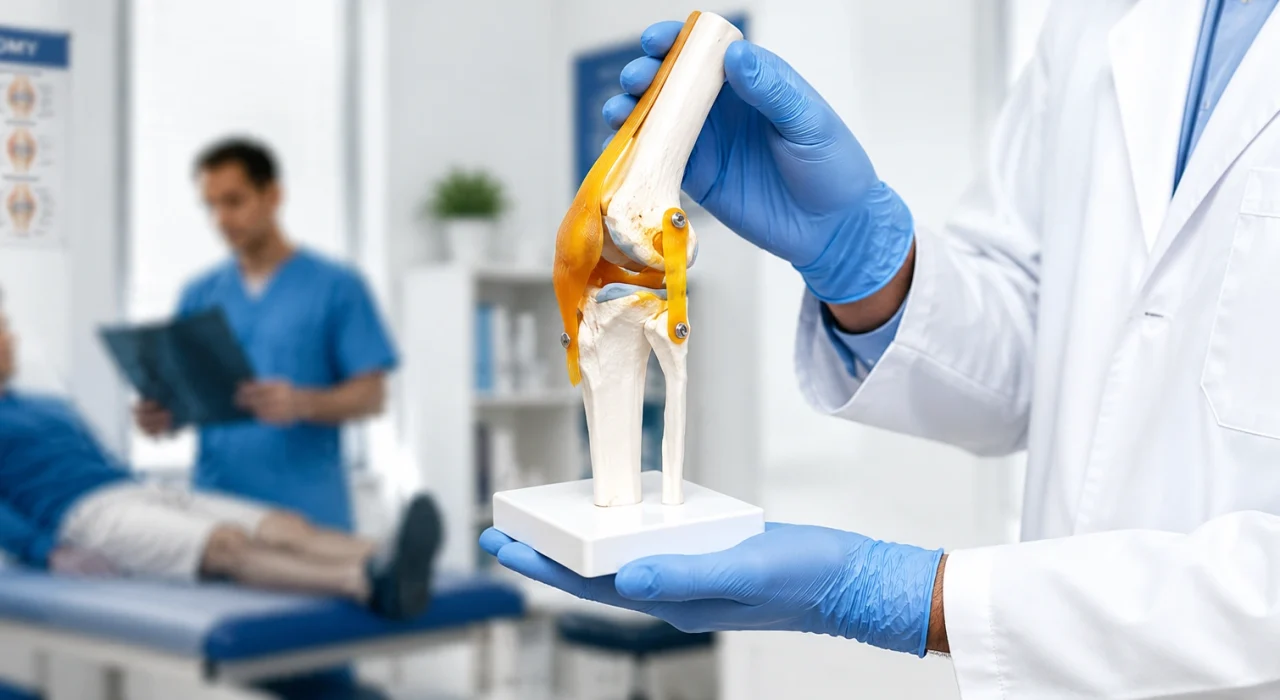
Department of Orthopedics & Robotic Knee Replacement
The Department of Orthopaedics is dedicated to helping patients maintain healthy bones, joints and mobility. Our experienced orthopaedic team provides diagnosis, treatment and rehabilitation for a wide range of bone, joint and musculoskeletal conditions.
With advanced medical technology and expertise in robotic knee replacement, joint replacement and minimally invasive surgeries, we focus on providing personalised treatment to help patients reduce pain, restore movement and improve their quality of life.
Robotic Knee Replacement Surgery :
Knee pain can make simple everyday activities such as walking, climbing stairs, sitting and standing increasingly difficult. Conditions such as advanced osteoarthritis, rheumatoid arthritis and severe joint damage can gradually affect knee movement and comfort.
At Currae Hospitals, we offer robotic-assisted knee replacement surgery using advanced technology to support surgical planning and precision. This technology helps the orthopaedic surgeon create a personalised surgical plan based on the patient’s knee anatomy and assists with accurate bone preparation and implant positioning during the procedure.
The surgery is performed by an experienced orthopaedic surgeon, who remains in control throughout the procedure. Robotic assistance supports the surgeon in carrying out the planned surgical steps.
Potential advantages of robotic-assisted knee replacement include:
Personalised pre-operative surgical planning.
Technology-assisted precision in bone preparation.
Support in accurate implant positioning.
Real-time feedback during selected stages of surgery.
A surgical approach tailored to individual joint anatomy.
Our focus is to help patients manage severe knee pain, improve joint function and work towards better mobility through appropriate surgical treatment and post-operative rehabilitation.
Knee Replacement Surgery :
Knee replacement surgery is a treatment option for patients experiencing severe knee pain and stiffness due to advanced arthritis or significant joint damage. When medications, physiotherapy and other non-surgical treatments no longer provide adequate relief, knee replacement may be considered.
At Currae Hospitals, our orthopaedic team evaluates the condition of the knee joint, the extent of cartilage damage, the patient’s medical history and mobility requirements before recommending surgery.
Depending on the patient’s condition, treatment may involve total or partial knee replacement. During the procedure, damaged joint surfaces are replaced with specially designed artificial components to help restore joint function.
Our approach includes pre-surgical assessment, surgical planning, post-operative monitoring and rehabilitation to support recovery and help patients gradually return to their daily activities.
Joint Replacement Surgery :
Joint problems caused by arthritis, age-related degeneration, injuries and other medical conditions can affect mobility and everyday comfort. Joint replacement surgery may be recommended when severe joint damage causes persistent pain and restricts normal movement.
Our Department of Orthopaedics provides joint replacement services, including hip and knee replacement surgery. Treatment is planned after evaluating the patient’s joint condition, overall health and functional requirements.
The procedure involves replacing damaged joint surfaces with artificial implants designed to restore joint movement and function.
Our care approach focuses on:
Detailed clinical evaluation and diagnosis.
Personalised surgical planning.
Selection of suitable joint implants.
Appropriate post-operative care.
Physiotherapy and rehabilitation support.
Knee Surgery :
The knee is one of the most important weight-bearing joints in the body. Injuries, sports activities, accidents and degenerative conditions can affect its stability, flexibility and movement.
At Currae Hospitals, we provide treatment for various knee-related conditions, including ligament injuries, meniscus tears, cartilage damage, knee instability and degenerative joint diseases.
Depending on the diagnosis, treatment may include medication, physiotherapy, arthroscopic procedures or reconstructive surgery.
Our orthopaedic specialists assess each patient’s condition to recommend an appropriate treatment plan aimed at improving knee stability, reducing discomfort and restoring functional movement.
Hip Replacement & Hip Surgery :
Hip pain and stiffness can significantly affect walking, sitting, standing and other everyday movements. Conditions such as osteoarthritis, rheumatoid arthritis, hip joint damage and certain injuries may require specialised orthopaedic treatment.
At Currae Hospitals, we provide evaluation and treatment for various hip-related conditions, including hip replacement surgery and hip arthroscopy.
Hip replacement involves replacing damaged portions of the hip joint with artificial components to improve joint function and reduce pain associated with severe joint damage.
Our treatment approach includes clinical assessment, imaging when required, surgical planning and rehabilitation. The objective is to help patients improve hip mobility and return to their routine activities.
Arthroscopic Surgery :
Arthroscopy is a minimally invasive surgical technique used to diagnose and treat certain joint conditions. It involves inserting a small camera, known as an arthroscope, into the joint through a small incision. This allows the surgeon to examine the joint structures and perform specific procedures using specialised instruments.
At Currae Hospitals, arthroscopic procedures are offered for selected knee and shoulder conditions.
These may include:
Meniscus repair or treatment of meniscus tears.
ACL reconstruction.
Treatment of selected cartilage injuries.
Removal of loose fragments within a joint.
Treatment of selected shoulder ligament and tendon conditions.
Arthroscopy may offer benefits such as smaller incisions and a potentially shorter recovery period compared with certain open surgical procedures. Suitability depends on the patient’s condition and the procedure required.
ACL Reconstruction & Knee Ligament Repair :
The anterior cruciate ligament (ACL) plays an important role in maintaining knee stability. An ACL injury can occur during sports, sudden changes in direction, twisting movements or accidents.
A torn ACL may cause knee instability, difficulty during physical activities and a feeling that the knee may give way.
Our orthopaedic specialists provide evaluation and treatment for ACL injuries and other knee ligament problems. Depending on the severity of the injury, treatment may include physiotherapy, activity modification or surgical reconstruction.
ACL reconstruction involves replacing the damaged ligament with a suitable graft to help restore knee stability. Post-operative rehabilitation is an essential part of treatment and helps patients gradually regain strength, balance and movement.
Orthopaedic Rehabilitation & Physiotherapy
Rehabilitation plays an important role in recovery following orthopaedic surgery, fractures and musculoskeletal injuries. A structured rehabilitation programme helps patients gradually regain strength, flexibility, balance and joint movement.
At Currae Hospitals, rehabilitation support focuses on individual recovery requirements and treatment goals.
Depending on the patient’s condition, rehabilitation may include:
Joint mobility and flexibility exercises.
Muscle-strengthening activities.
Walking and balance training.
Post-operative physiotherapy.
Functional movement training.
Guidance for safe return to everyday activities.
Our aim is to support patients in regaining mobility, improving physical function and gradually returning to their regular routines.
Why Choose Currae Hospitals for Orthopedic Care?
- Experienced Orthopaedic Specialists: Our team of highly qualified orthopedic surgeons brings years of experience and specialized training to provide the best care possible. We stay updated with the latest advancements in orthopedic medicine to offer state-of-the-art treatments.
- Expertise: Our team of highly qualified orthopedic surgeons brings years of experience and specialized training to provide the best care possible. We stay updated with the latest advancements in orthopedic medicine to offer state-of-the-art treatments.
- Comprehensive Care: From initial consultation through surgery and rehabilitation, we provide a full spectrum of services to ensure our patients receive comprehensive and coordinated care.
- Patient-Centered Approach: We believe in personalized care and take the time to understand each patient’s unique needs and goals. Our treatment plans are tailored to achieve the best outcomes for every patient.
- Advanced Technology: Our state-of-the-art facilities are equipped with the latest medical technology and surgical equipment, ensuring that our patients receive the highest quality care in a safe and comfortable environment.
- Rehabilitation Support: Post-surgery recovery is crucial, and our dedicated rehabilitation team works closely with patients to ensure they regain their strength, mobility, and independence as quickly and safely as possible.
Contact us today to learn more about our comprehensive orthopedic services and schedule a consultation with our expert team. Experience the highest standard of care with our state-of-the-art facilities and dedicated healthcare professionals. Let Currae Hospitals be your trusted partner in achieving optimal musculoskeletal health and mobility.
Meet Our Professional Doctors
At Currae Hospitals, our specialists are the leading and most experienced doctors, dedicated to ensuring you receive exceptional care that aligns with hassle-free healthcare.
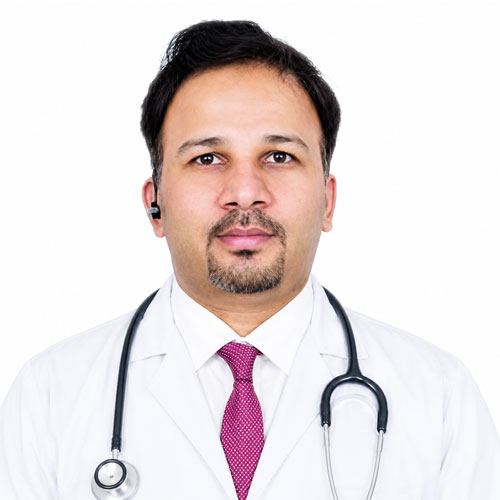
Dr. Shailendra Patil
MBBS, D ortho, DNB ortho (Orthopaedics)
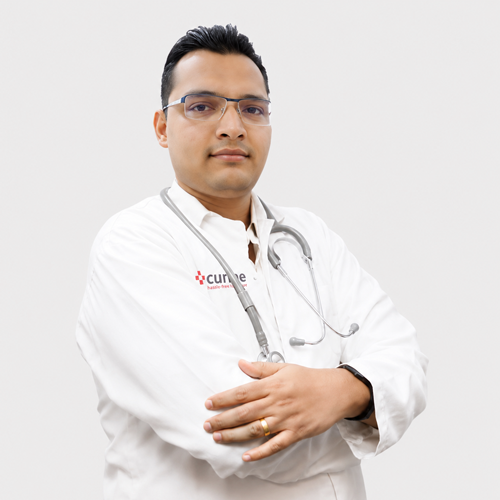
Dr. Chetan Wankhede
MBBS, MS(Orthopaedics)
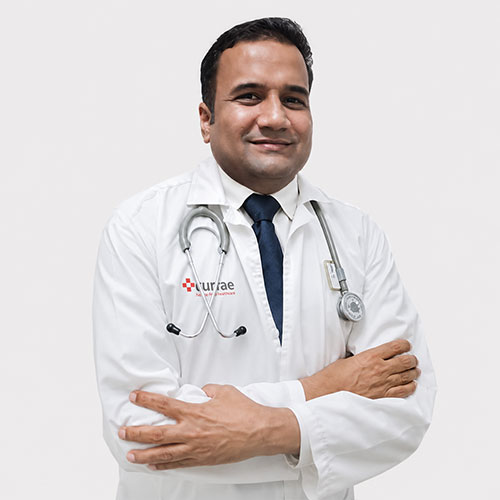
Dr. Abhijeet Savale